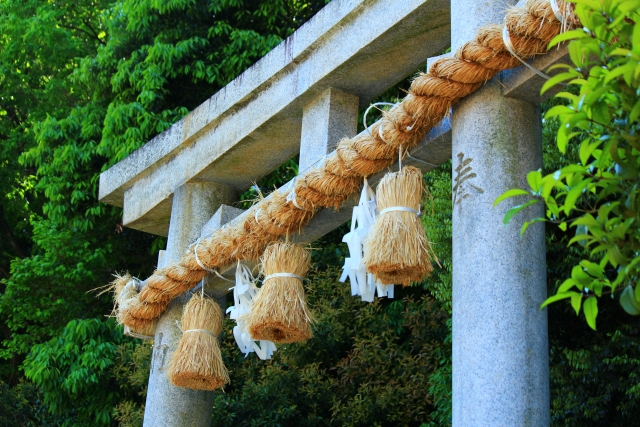
Sacred gate (Torii) and Shimenawa
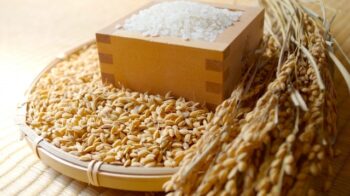
According to a Japanese legend which forms a platform of Shinto, the Sun Goddess (Amaterasu) sent her grandson (Ninigino-miya) from heaven to Japan. Sending off him, Amaterasu gave rice ears (Ina-ho) and ordered to govern Japan by nourishing the people living there.
Partly because of this story, rice has been considered as a sacred plant and played an important role in Shinto since ancient times.
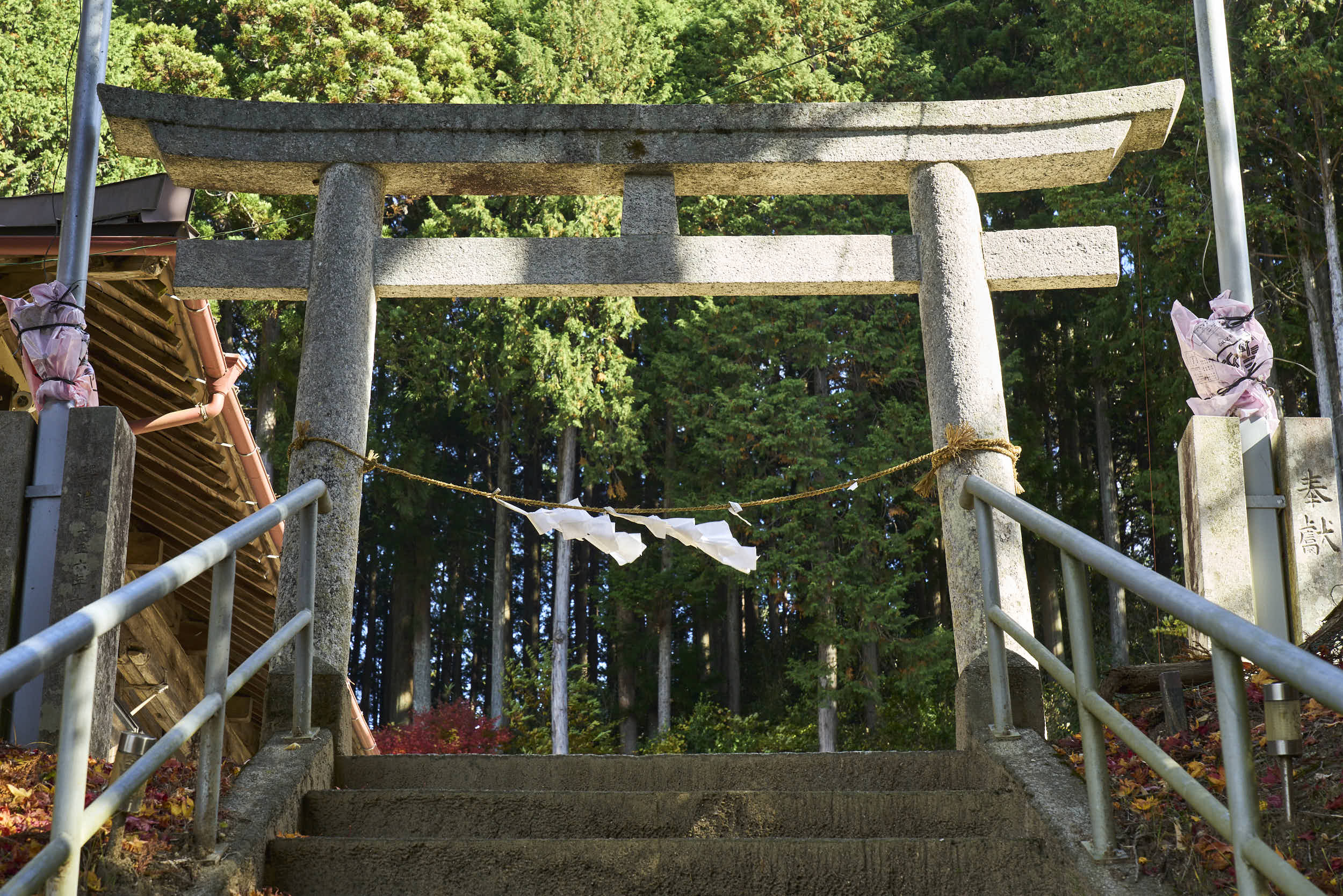
sacred-void Shinto torii gate
Look closely at the Shinto Torii gate standing at the edge of the forest.
While Western civilizations erected massive stone gates and triumphal arches to declare their power, Shinto built nothing but a simple wooden outline of a door.It has no panels, no locks, yet the moment you step through this ‘open frame,’ the air changes.
Your skin registers a sudden drop in temperature and a rise in absolute silence.
This is the sublime security of Shinto—protecting a space not with physical barriers, but with a cognitive boundary of absolute subtraction.
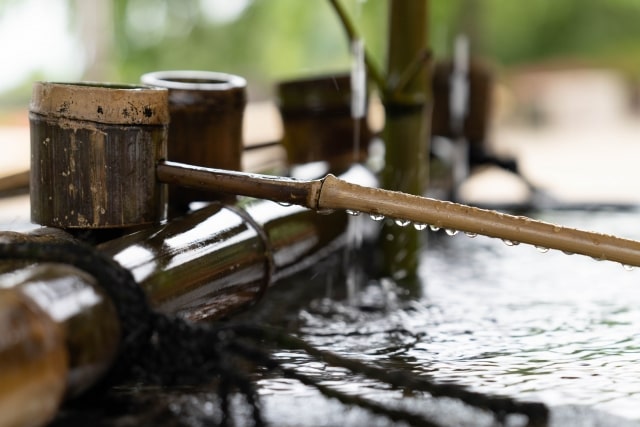
water purification before the realm of the sacred-void
Before we step into the shrine’s inner sanctuary—the realm of the sacred-void—we must first pause at the Temizuya water pavilion.
Look at the simple wooden ladle, the hishaku. As you scoop the cold, pure mountain water, you are performing an alchemical act of cognitive subtraction. By pouring the water gently over your left hand, then your right, and finally rinsing your mouth, you are washing away the invisible debris of the outside world—your daily calculations, your rigid logic, and your ego.
While profound spiritual traditions across the globe—from the radical nothingness of Western Christian mystics to the detachment of desert aesthetics—have always sought to empty the soul to meet the divine, Shinto embodies this philosophy through a physical, everyday ritual of water. It does not ask you to intellectualize emptiness; it demands that you physically strip away all residual noise, returning your mind and body to an unburdened, pristine state of clarity. Only when you are thoroughly emptied, washed clean of all mental clutter, are you ready to attune with the silent, mirrored emptiness of the shrine’s deepest core. The water is your key to unlocking the sacred-void.