Tanada
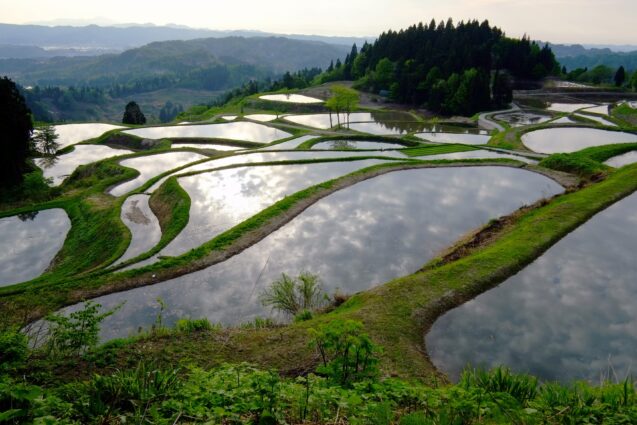
Look at the terraced rice paddy in front of you.
In May, before the young green shoots are planted, these waters act as thousands of pristine mirrors carved into the mountainside. They do not just hold mud; they reflect the vast sky, the drifting clouds, and your own face in perfect clarity.
It is a biological interface where heaven and earth are temporarily synchronized.
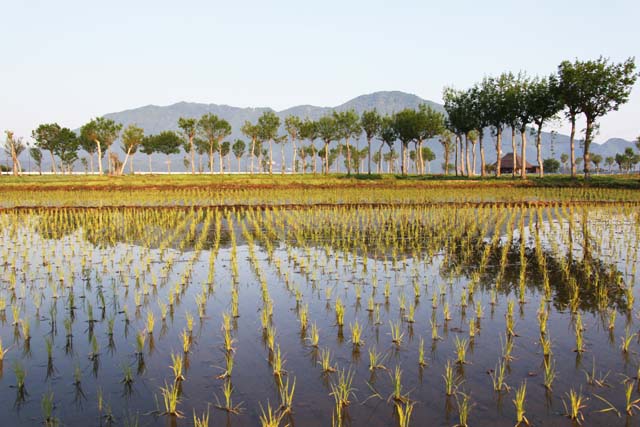
rice field filled with water
By autumn, this landscape undergoes an alchemical transition into a sea of absolute gold.
Listen closely to the wind rustling through the heavy, golden ears of rice.
In Japan, we have a saying: ‘The wealthier the rice stalk grows, the lower it bows its head.’ It is a physical manifestation of our philosophy of subtraction—the ultimate strength (Gō) willingly surrendering to gravity and bowing in humility.
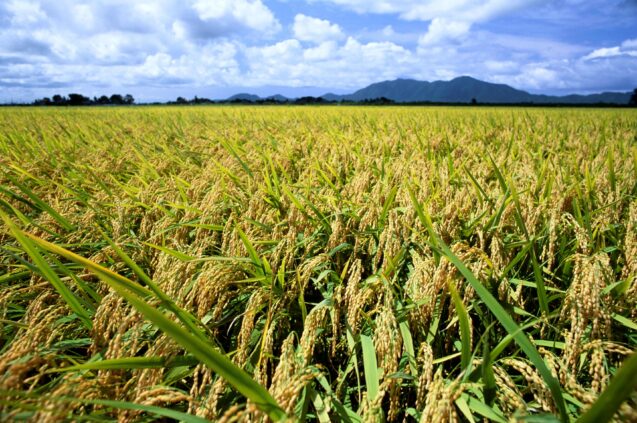
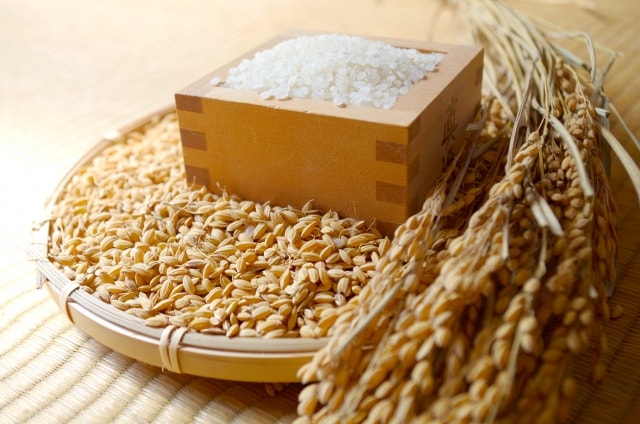
Rice and its ears
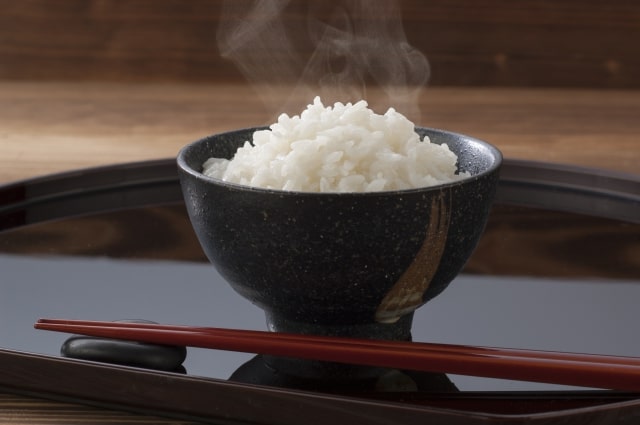
And finally, when this sacred grain is served to you in a pitch-black lacquer bowl, notice its texture.
It is pure white, untouched by spices or sauces. It is a monument of absolute subtraction.
To eat this warm, pearlescent grain is not a mere animal act of consumption; it is a direct communion with the memory of the wind, the water, and the sun of this land.”